Play is essential for healthy development and well-being at all ages. So make time for play in your life, and encourage the children in your life to do the same!

Our purpose at Fix It PT is to assess and address movement to increase function and play for all ages and abilities. So what do we mean by play? Play is intrinsically motivated, voluntary, active, fun, natural, unstructured and process oriented. It is about the process, not the result.
Here is how much play we recommend:
Leave open time in the day with no schedule and no set rules, so kids can make up their own games.
Time on a screen is time spent sitting still. Set limits so there is room in the day for active, hands-on play.
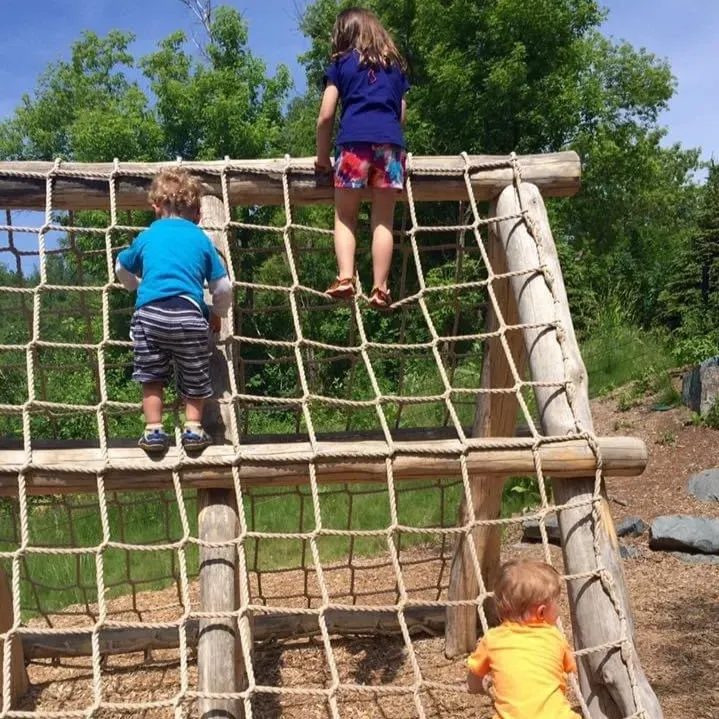
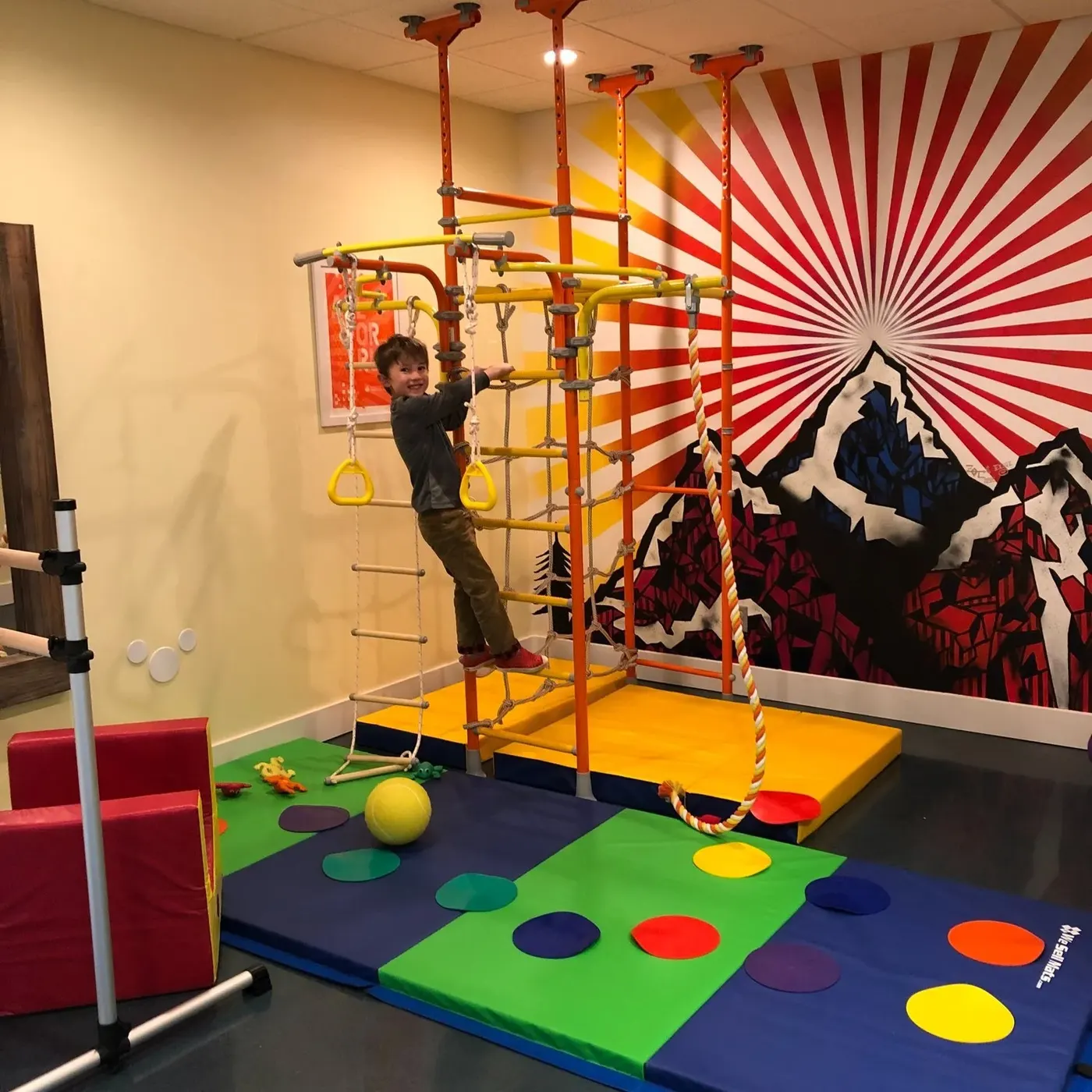
Give kids space to move and things to climb, build and explore, indoors and outdoors.
A new game, a new trail, a new sport. Trying something different gives kids a chance to test ideas and figure things out.
Follow their ideas instead of directing every step. Child-directed play is where imagination and creativity get to work.
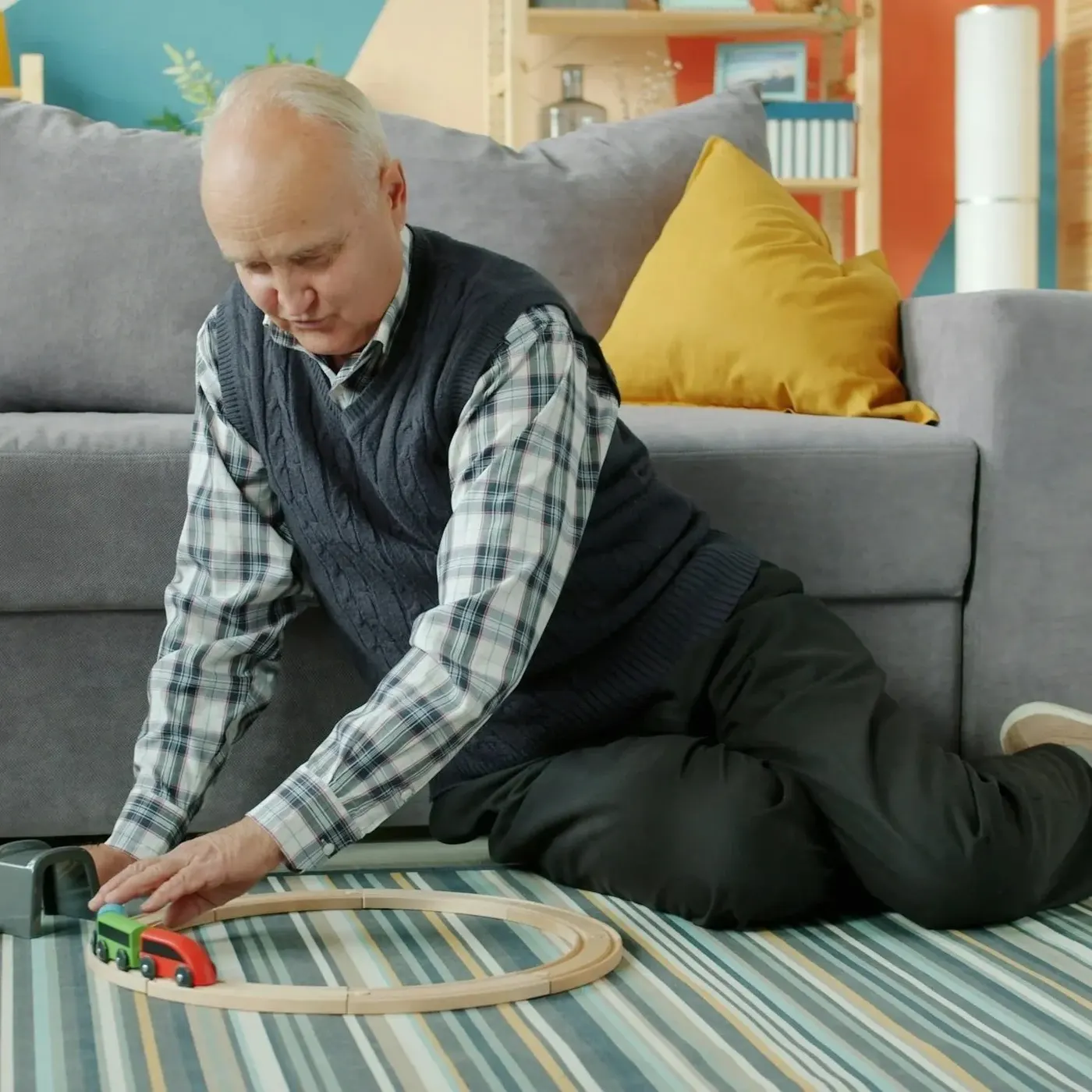
Play is not just for kids. Get down on the floor, head outside and play together.

This type of play is child-directed and allows children to use their imaginations and creativity. Examples include playing with blocks, dress-up and pretend play.
This type of play is more organized and may have rules. Examples include board games, sports and puzzles.
This type of play involves physical activity, such as running, jumping and climbing.
This type of play involves expressing oneself through art, music or drama.
Play helps children develop problem-solving skills, creativity and critical thinking. When children play, they are constantly experimenting, testing ideas and figuring things out.
Play helps children develop their gross and fine motor skills, coordination and balance. Active play also contributes to overall health and fitness.
Play gives children opportunities to learn how to cooperate, share, negotiate and resolve conflicts. It also helps them develop empathy and understand different perspectives.
Play can help children expand their vocabulary and improve their communication skills. When children play together, they are constantly talking and listening to each other.
Play is a great way for children to express their emotions and work through difficult feelings. It can also help them build confidence and resilience.

Play can be a great way to relax and de-stress. It can help adults take their minds off their worries and have some fun.
Play can help adults tap into their creativity and think outside the box. It can also help them develop new problem-solving skills.
Play can help adults build stronger relationships with others. Sharing laughter and fun can foster intimacy and connection.
Play can help adults stay active and maintain their physical health. It can also help improve coordination and balance.

From toddlers to grandparents, play is essential at every age. When pain or a movement problem gets in the way, that is where we come in. Using the F.A.S.T Approach™, we fix the mechanics so moving feels easy again, then build movement control and strength so you and your family can keep playing.
See our Let Kids Play program for children, Everyday Memberships for the whole family, and the community resources we recommend for getting outside.