Stiff in the morning, sore after a long walk, told it is just wear and tear. Arthritis is common, but much of the pain that comes with it is mechanical, and that part can change.
Arthritis changes the surfaces of a joint, and changed surfaces move differently. That makes an arthritic joint more vulnerable to a mechanical dysfunction, where the joint is loaded incorrectly and the muscles around it spasm in protection. Here is the encouraging part: you can have significant arthritic change on an X-ray without pain. Treating the mechanical problem shows how much of your pain truly comes from the arthritis, and it is often less than you were told.
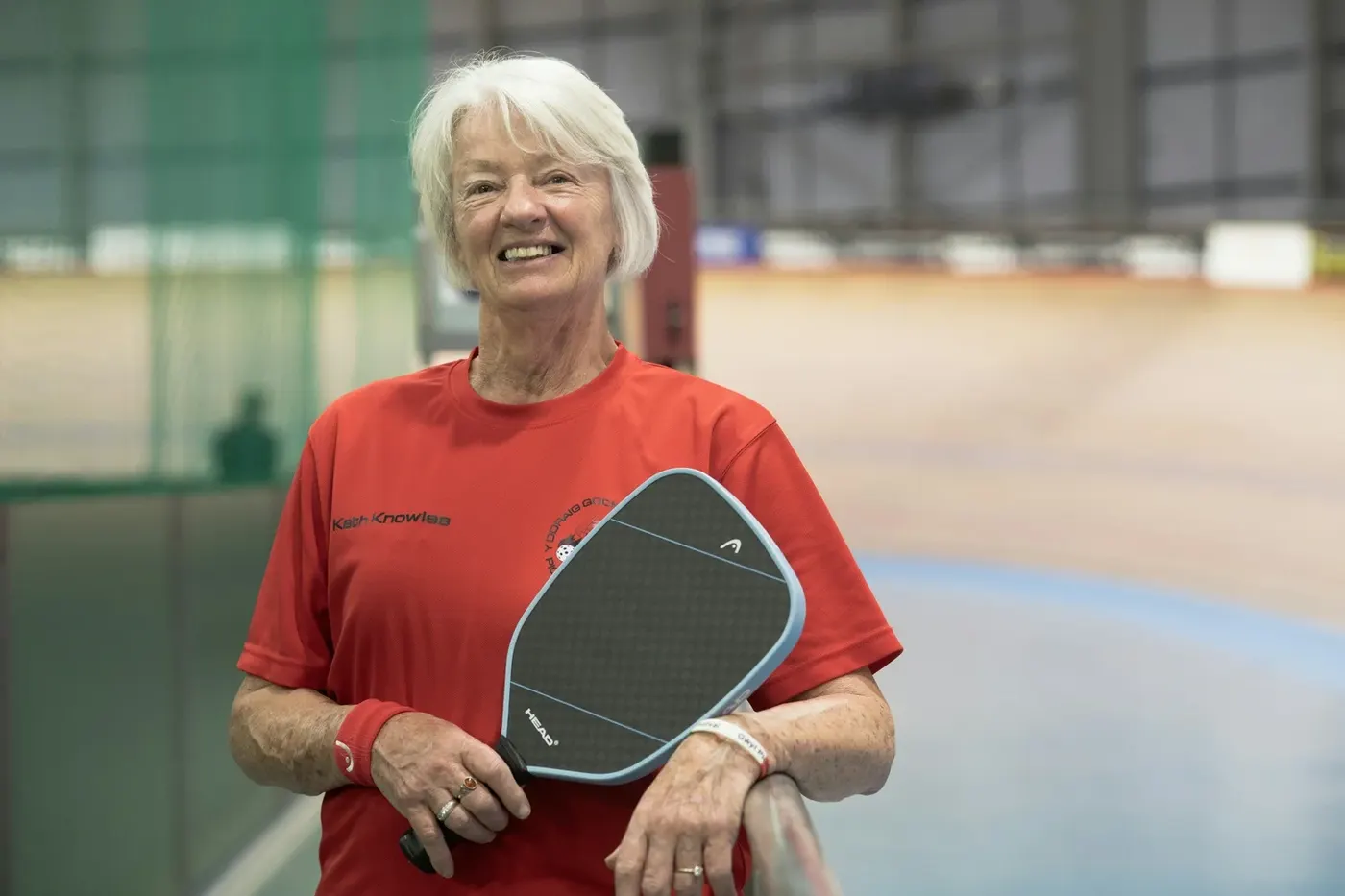
Osteoarthritis gradually alters the cartilage and bone of a joint, most often in the knees, hips, hands, thumbs and spine. As the surfaces change, the joint loses some of its smooth glide and is more likely to get stuck.
Rheumatoid arthritis is an inflammatory, autoimmune disease that needs medical care from a rheumatologist. Inflammation affects how joints move, so mechanical dysfunction often rides along with it. Treating the mechanics gently can ease the pain that is not coming from the inflammation itself.
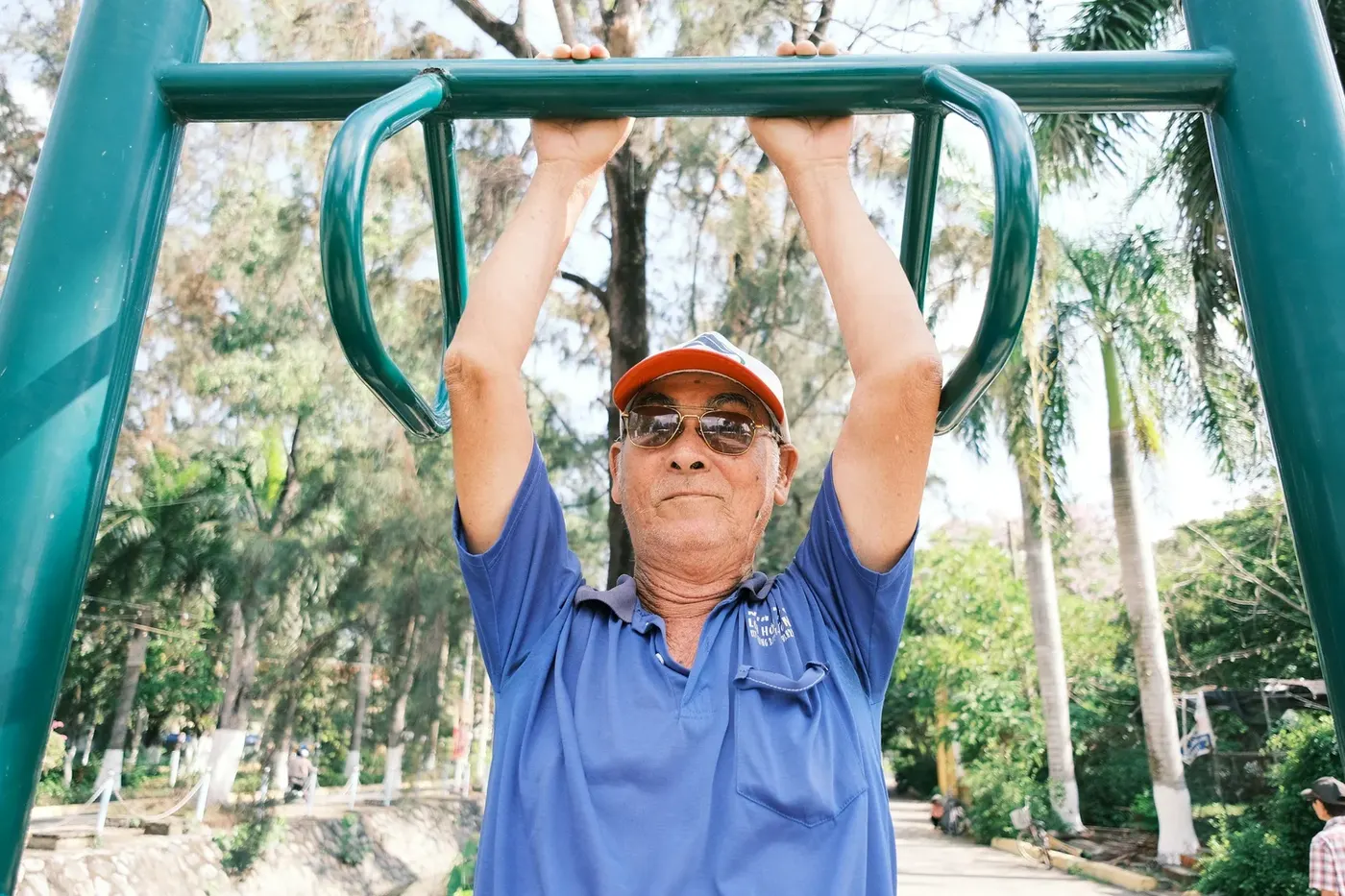
When a joint hurts, it is natural to protect it. But less movement means weaker muscles, stiffer joints and less support, which makes every step harder. Restoring easy motion first makes it possible to keep moving.
A knee reconstructed years ago or an ankle sprained many times can develop arthritic changes, and neighboring joints such as the opposite hip may take a beating as you compensate. Assessing the whole chain shows where the load is landing.
Strong muscles take pressure off worn joints. When the muscles around a knee or hip weaken, more load goes straight through the joint surfaces, and pain climbs.
Sometimes pain that was blamed on arthritis turns out to be mostly mechanical. Joint dysfunction and leg length changes can feel like arthritic pain, and they respond to treatment. Once the mechanics are fixed, you can see what, if anything, is left over.
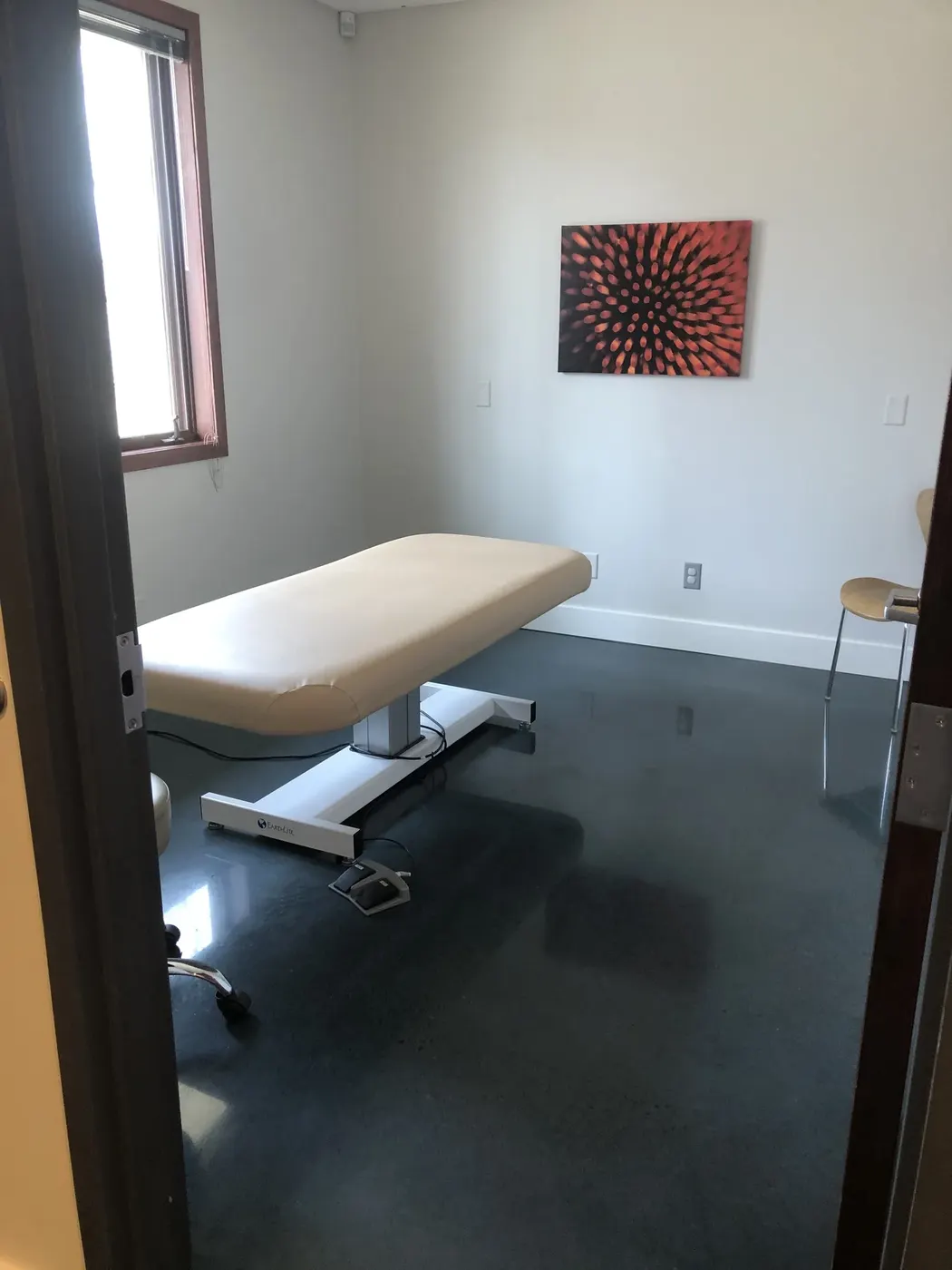
We begin with a Master Evaluation of the painful joint and the joints above and below it. Using the F.A.S.T Approach™ (Facilitation, Activation, Systematic Therapy), we gently restore normal joint motion where it is restricted. Treating the mechanical dysfunction often reduces pain and stiffness and clarifies which limitations are left from the arthritic change itself. Mechanical pain can be relieved in as few as 3 visits.
Then we build the strength that protects your joints. Strong Muscles Strong Bones focuses on safe, progressive loading and balance, and Stairs Confidence and Floor to Stand target the everyday tasks arthritis makes harder. If a joint replacement is already on your horizon, the more conditioned you are going into surgery, the easier the recovery, and our Post Surgery program can guide you afterward.
We also want you to understand your joints. We explain what your imaging means for how you move, which activities are safe to continue and how to adjust when a joint flares. Strong muscles take pressure off worn joints, so staying active is part of the treatment, not something to avoid. You see the same therapist every visit, and sessions last about 30 minutes.
We review your diagnosis and imaging, then test motion, strength and balance across the painful joint and its neighbors to separate the mechanical pain from the arthritic change.
Gentle facilitation restores motion so the protective spasm and stiffness ease. You leave with simple movements to keep the joint moving at its new range.
We progress strength and balance at a pace your joints tolerate, so walking, stairs, gardening and play stay part of your life.
Fix It is an incredible resource for me and my family! I am grateful to Kelly and her competent team for helping to keep me moving and enjoying an active lifestyle. Always listening and responsive to concerns, they ALWAYS provide exceptional care. Whether there is the occasional injury or something that crops up causing limited movement or discomfort, you’ve helped to fix the problem. Thank you— I’m amazed!

Correct mechanical joint dysfunction, healthy tissue loaded the wrong way, and build lasting strength.

Fix the hip and knee mechanics behind pain on stairs, squats and runs, then rebuild leg strength.

Fibromyalgia, RA and long-term pain: treat the mechanical pain on top and build capacity gently.