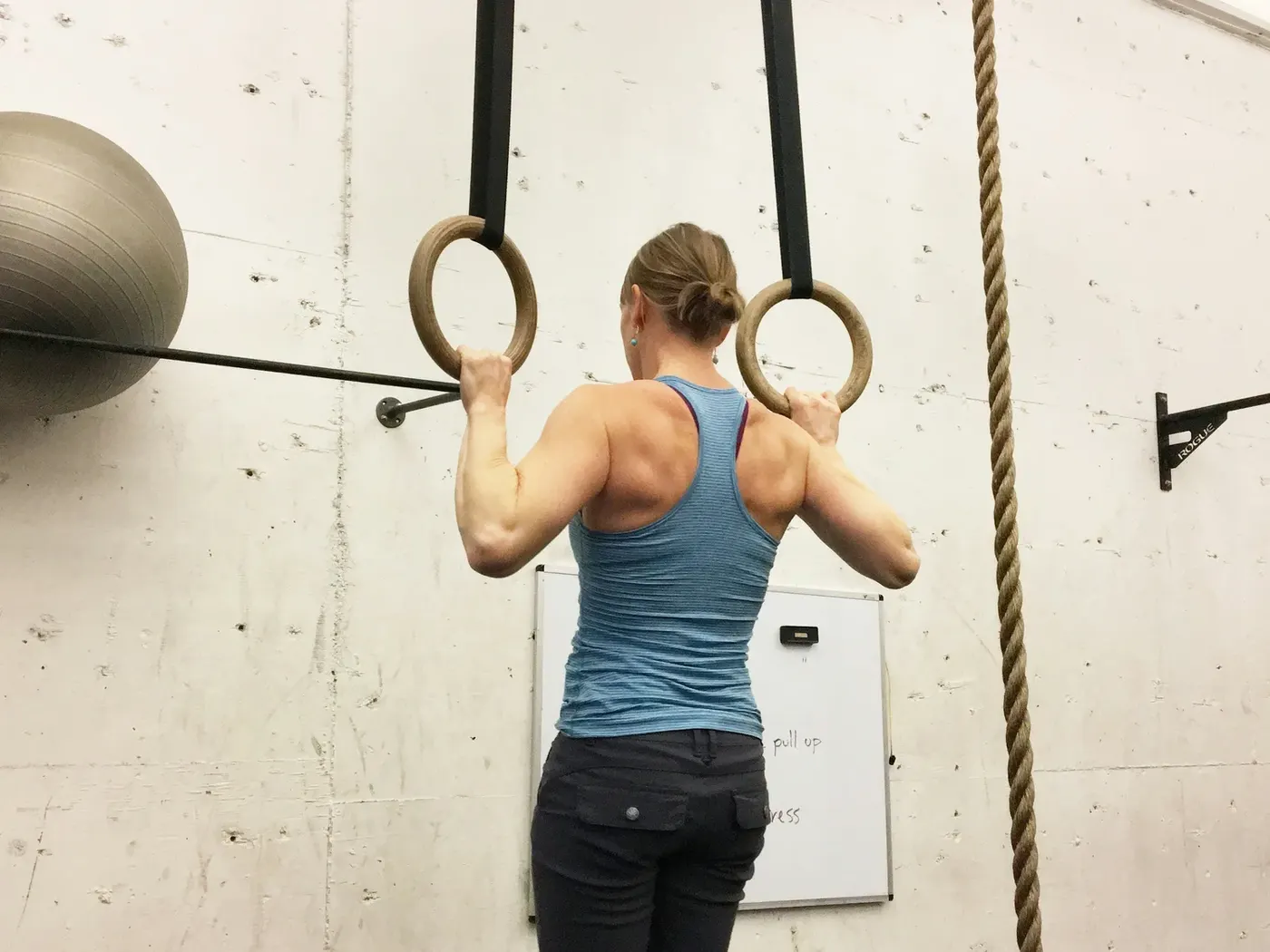
A knee that aches after a walk, a shoulder that catches, a thumb that hurts every time you open a jar. Joint pain is often a mechanical problem: healthy tissue being loaded the wrong way.
Think of your body like a car. If a tire blows out, that is a structural failure. If the wheels are out of alignment, the tires are perfectly fine, but they wear unevenly and heat up. Much joint pain works the same way. It is a mechanical joint dysfunction: the tissues are intact, but they are being loaded incorrectly. That uneven stress triggers pain receptors, a secondary muscle spasm and a false weakness, even when an X-ray or MRI shows healthy tissue.
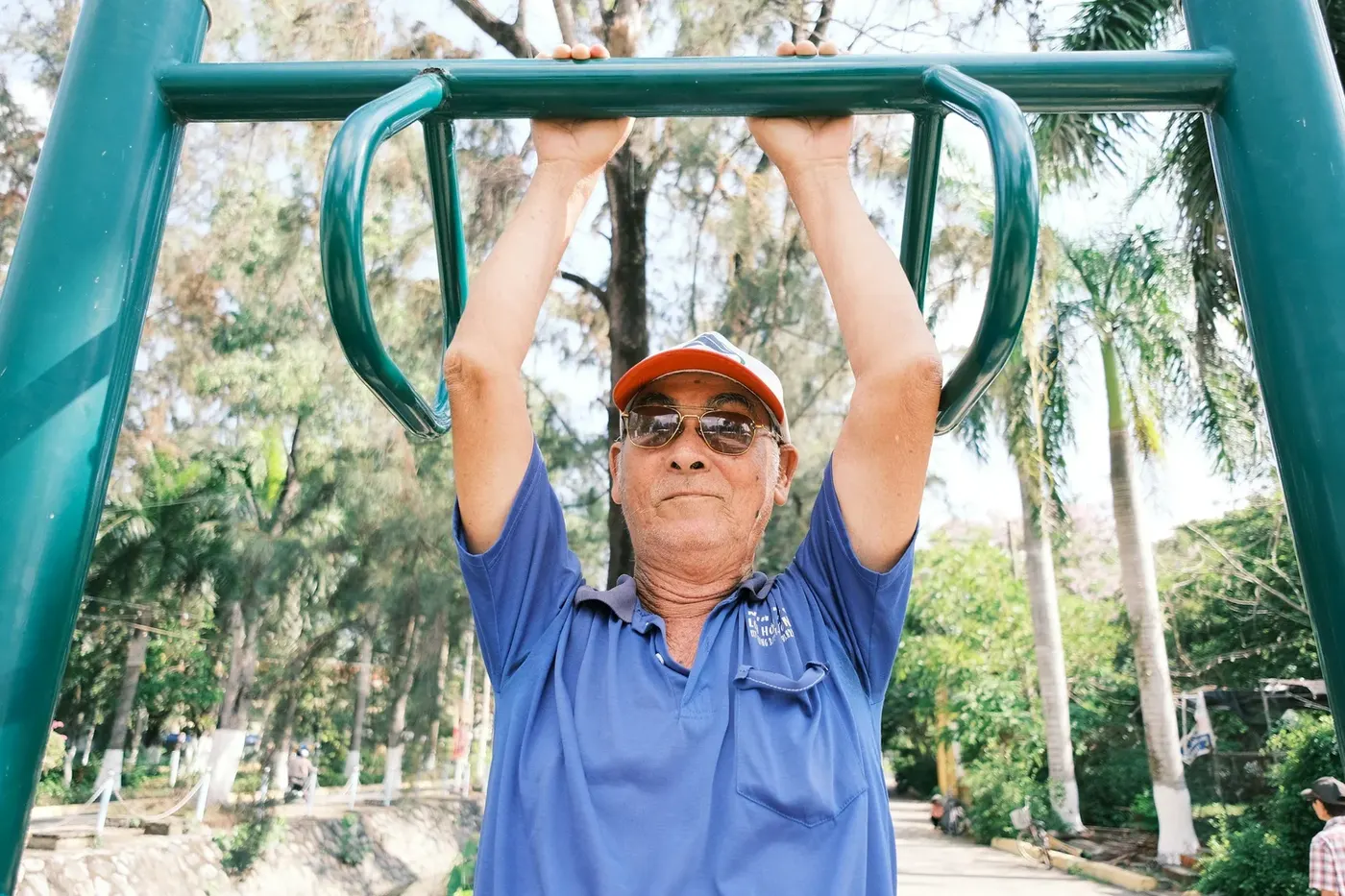
Every joint has a preferred path, the way its surfaces roll and glide. When a joint is pushed past the range you can control, it can get stuck. The pain receptors in the joint capsule fire, and the muscles around it tighten to protect it.
Muscles are reactors to joint movement. When a joint cannot move, nearby muscles spasm and others switch off, so the area feels weak even though nothing is torn. This false weakness resolves once full movement and a full muscle contraction are restored.
Joints work in chains. A stiff ankle changes how the knee and hip load, and a stiff upper back forces the shoulder to work harder. The joint that hurts is not always the joint that started the problem.
Sometimes the tissue itself is injured, such as a ligament sprain or a tendon tear. These need time and a structured rehab plan, and a mechanical dysfunction often develops around them. Your evaluation tells us which is which.
Arthritis, inflammatory disease and other conditions change how a joint is built. They can make a joint more vulnerable to mechanical problems, and they sometimes need a physician's care. Your evaluation clarifies what is mechanical and what is not.
Joint pain does not always start with a fall or a twist. Hours in one position, a new workout or a busy weekend in the yard can push a joint past the range you can control. The pain often builds gradually, which is why it is easy to dismiss until it starts limiting you.
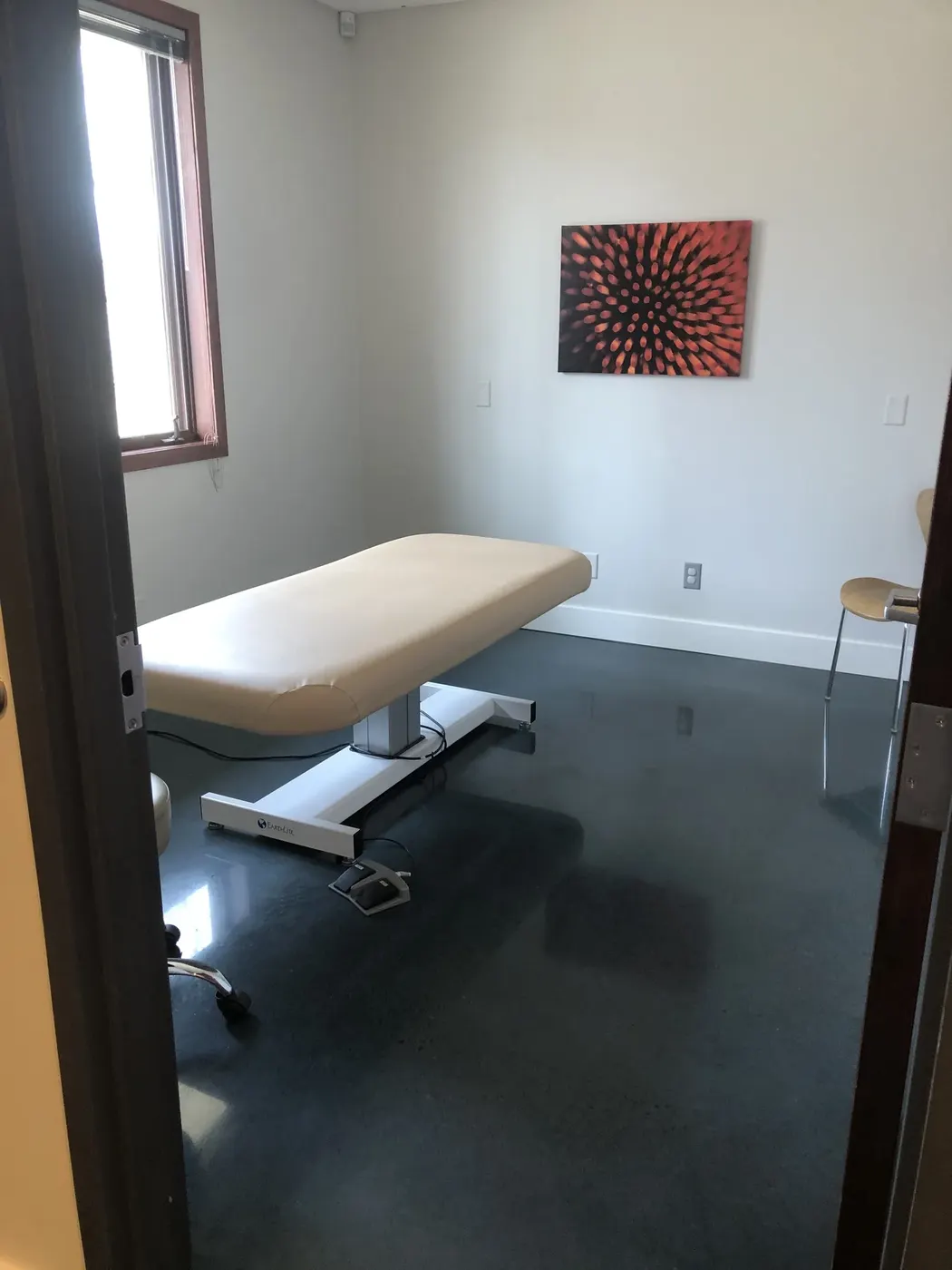

Your Master Evaluation uses the F.A.S.T Approach™ (Facilitation, Activation, Systematic Therapy) to find out whether your pain comes from a mechanical joint restriction, a recent tissue injury or an underlying pathology. When it is mechanical, we gently facilitate normal joint motion with precise, hands-on input. The spasm releases, the false weakness resolves and the pain eases. Mechanical pain can be relieved in as few as 3 visits.
Fixing the mechanics is phase one. In phase two we rebuild the movement control, balance and power that keep the joint healthy, so you get to keep the results. Tissue takes about 10,000 repetitions to change, so daily walking and activity at your new range are part of the plan. Sessions last about 30 minutes, and you see the same therapist each visit.
Because so much joint pain is mechanical, many people are surprised by how quickly it changes once the right joint is treated. When something else is going on, such as a tear or an inflammatory condition, we explain what we see and help you take the right next step with your physician.
We test the painful joint and its neighbors, review your history and imaging and determine whether your pain is mechanical, a tissue injury or a pathology.
Gentle facilitation restores the joint's preferred path. The secondary spasm settles, and you leave with movements to practice at your new range.
We progress control, balance and strength so the joint stays healthy under the loads of work, sport and play.
I’ve told so many people about you. And they have all been amazed. The first time I went it was a miracle after 1 visit. Had something come up with my shoulder that I haven’t been able to kick, remembered you guys and bam….. 95% better today. I’m always in awe and you guys are so knowledgeable and informational. Thank you!

Separate the arthritis from the mechanical pain on top of it, then keep your joints strong.

Fix the hip and knee mechanics behind pain on stairs, squats and runs, then rebuild leg strength.

Restore full overhead motion, from frozen shoulders to rotator cuff irritation, by fixing the whole upper quadrant.