Holding the handrail a little tighter, avoiding the floor because getting back up feels uncertain, watching every step on uneven ground. Balance can be rebuilt at any age.
Good balance depends on several systems working together: joints that move freely, muscles with enough strength and power to react, and a nervous system that reads signals from your feet, inner ear and eyes. When pain, stiffness or weakness interferes with any part of that system, steps become less certain. The good news is that each piece can be assessed and trained, and confidence grows as your body proves it can do the work.
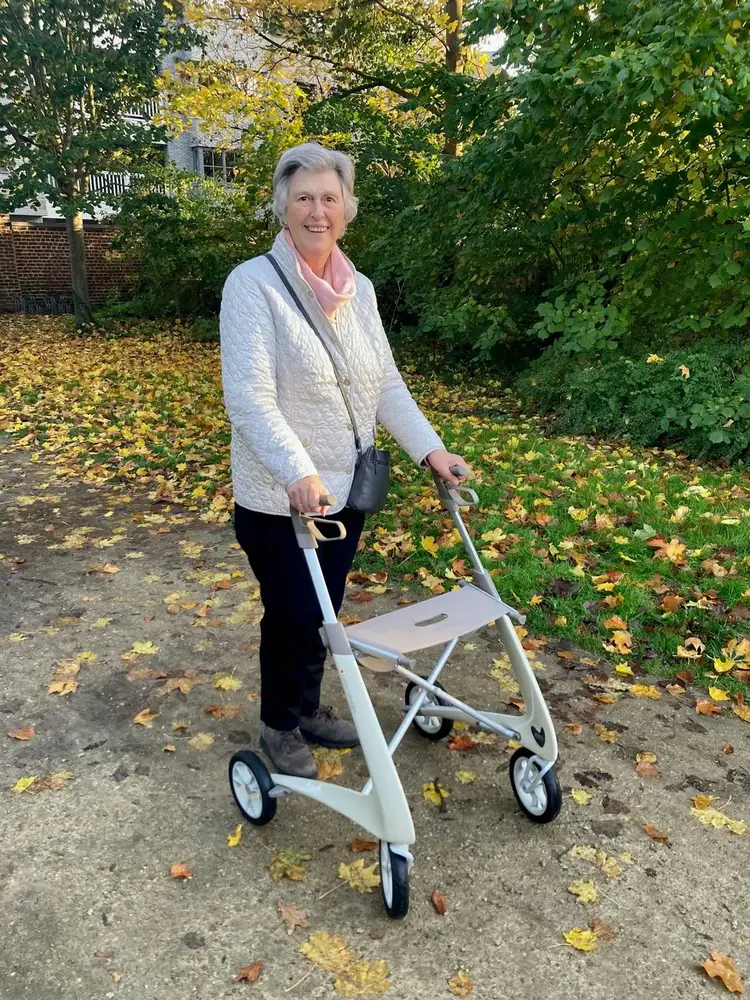
A stiff ankle, an arthritic hip or a sore knee changes how you step and shifts your weight. Restoring proper joint mechanics in the feet, ankles, knees and hips gives your balance system a stable foundation to work from.
Balance is not only about strength. It is about how quickly muscles can activate. Power determines how fast you can respond to an unexpected shift, like catching a toe on a curb. Age-related muscle loss slows that reaction, and it can be rebuilt.
Your nervous system, inner ear and visual cues all feed your sense of balance. Targeted drills train these systems to work together, so you stay sure-footed on all surfaces.
After a fall or a near miss, many people start moving less and avoiding the floor or stairs. Fear of falling is one of the biggest barriers to mobility, and moving less leads to more weakness. Breaking movements down into small, practiced steps rebuilds confidence.
After a joint replacement or a stretch of inactivity, single-leg strength and balance often lag behind. Stairs and getting to and from the floor are usually the first places you notice it.
Your feet are your base of support. When the many small joints of the foot and ankle stiffen, you lose the subtle adjustments that keep you upright on uneven ground, grass, gravel or ice. Restoring that motion and building ankle strength steadies every step.
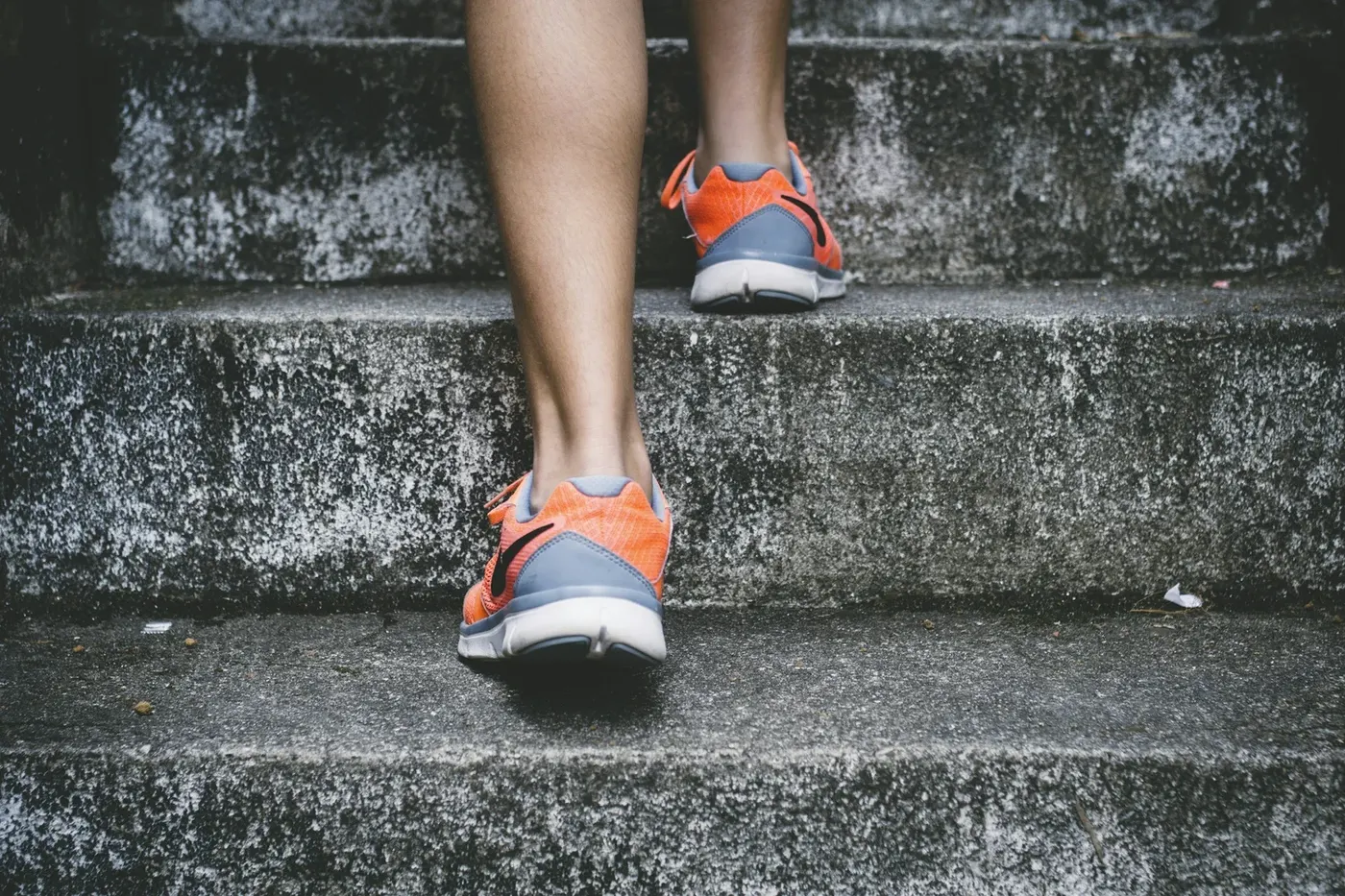
We start with a Master Evaluation of how you walk, turn, step and get up and down, along with the motion of your joints from your feet to your spine. Using the F.A.S.T Approach™ (Facilitation, Activation, Systematic Therapy), we restore proper joint mechanics first, so stiff or painful joints are no longer pulling you off balance. Then we train the balance system itself with progressive drills for stability, reaction and confidence, always under direct physical therapist supervision.
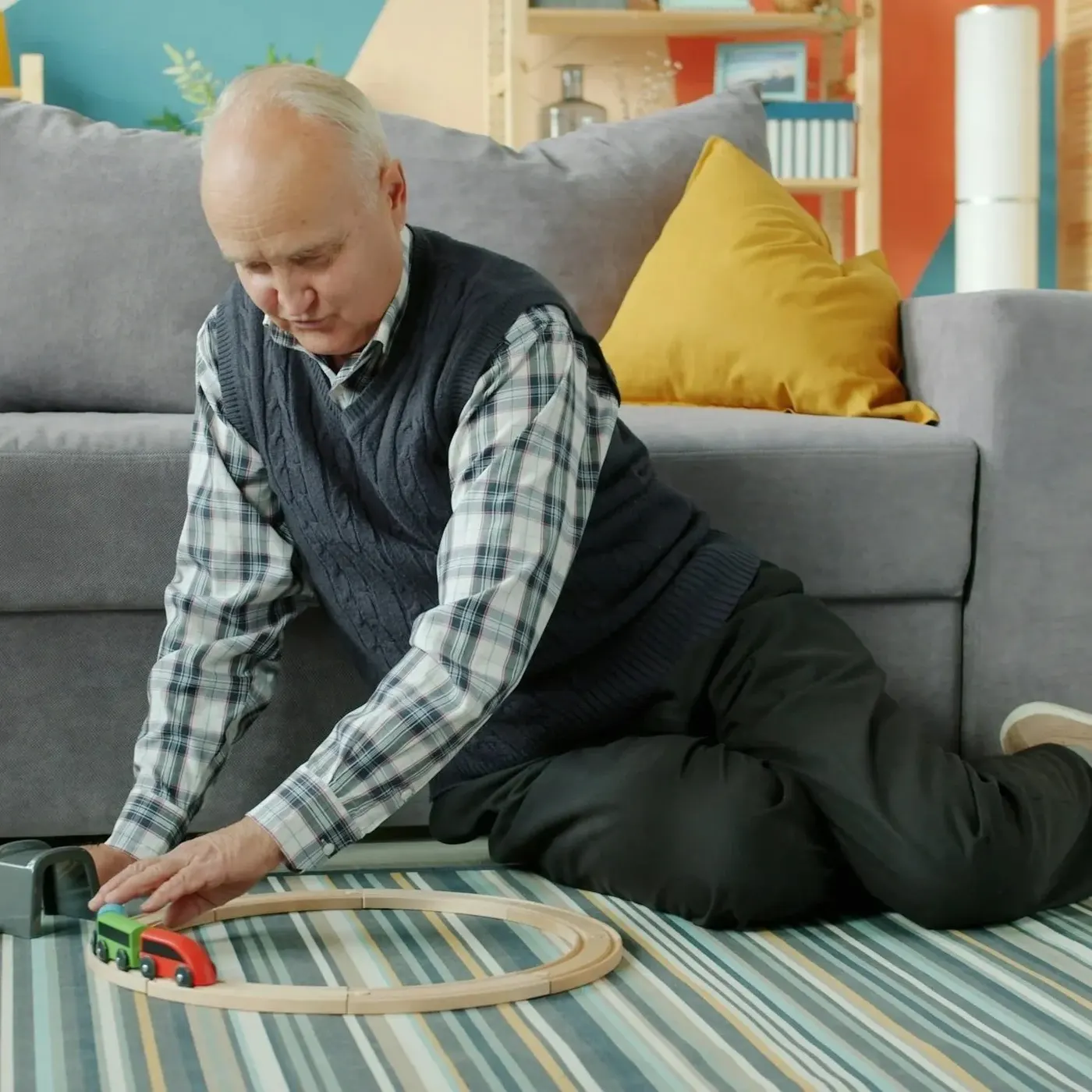
Two of our programs are built around the moments people fear most. Floor to Stand teaches safe ways to get down to the ground and back up, starting from elevated mats or a treatment table if needed. Stairs Confidence builds single-leg stability and the braking control you need for step-downs. Strong Muscles Strong Bones adds safe resistance training for muscle and bone health. The goal is independence: getting around home, traveling and playing with your grandkids with confidence.
Balance work at Fix It PT is practical. Exercises are built around real tasks such as lifting groceries, climbing stairs, getting up from a low chair and gardening, and they are scaled to your current level so you can progress safely. Sessions last about 30 minutes with the same therapist every visit.
We observe your walking, turning, stairs and floor transitions, test joint motion and strength and identify what is limiting your balance.
We restore motion at stiff or painful joints so your feet, ankles, knees and hips can support you, then begin balance work in a safe, supervised setting.
We progress single-leg strength, reaction drills, stairs and floor transitions step by step until everyday movement feels steady and automatic.
I highly recommend, especially if you’re looking to strengthen weak spots in your musculature and push your limits. “They have” a keen understanding of biomechanics and tailoring workouts to individual needs. ”They” excel at creating challenging programs that not only target muscle weaknesses but also keep you engaged, and consistently provide valuable feedback to ensure proper form and progress. Before working with them I had regular back pain. As I worked with them, I noticed my back pain gradually went away, while I also grew stronger and more flexible. You can expect a comprehensive training experience that focuses on building strength while keeping your goals in mind.

Fix the hip and knee mechanics behind pain on stairs, squats and runs, then rebuild leg strength.

Resolve heel pain, old sprains and foot pain by getting the joints of your feet moving again.

Separate the arthritis from the mechanical pain on top of it, then keep your joints strong.