A band of pressure around your head by mid afternoon, a dull ache at the base of your skull, pain that builds every time you sit at the screen. Tension headaches often start in the neck, and the neck is something we can fix.
Many headaches are not a problem that lives in the head. Each vertebra in your neck connects to its neighbors through several small joints that rotate and glide so you can look up, down and to the side. When those joints stop moving well, the muscles at the base of the skull and across the shoulders spasm to protect them, and that tension refers pain into the head. Finding where your headache actually starts is the key to stopping it instead of only masking it.
Stiffness in the upper neck is one of the most common drivers of tension headaches. When a joint is locked up, the surrounding muscles tighten, and pain travels up the back of the head, behind the eyes or into the temples. Restoring that motion often eases the whole headache pattern.
Hours at a computer or looking down at a phone hold your head forward, loading the muscles at the base of your skull. Small changes to your setup help, but the joints that have already lost motion need to be restored before the tension lets go.
The jaw, neck and temples share muscles. Clenching, grinding and jaw joint dysfunction add tension that radiates into the head. When headaches and jaw pain travel together, we assess both.
After a concussion or a whiplash injury, a significant amount of the neck pain and headache can come from a movement dysfunction. The impact can lock a joint, and a secondary muscle spasm follows. We treat the mechanics while monitoring true neurological symptoms.
Stress tightens the neck and shoulders, and tissue stiffens overnight. If a movement dysfunction is already present, that extra tension can be enough to tip a stiff neck into a headache.
A fall, a car accident or a hit in sport years ago can leave neck joints that never fully regained their motion. The muscles keep guarding long after the injury has healed, and that constant low-level tension keeps the headache cycle running.
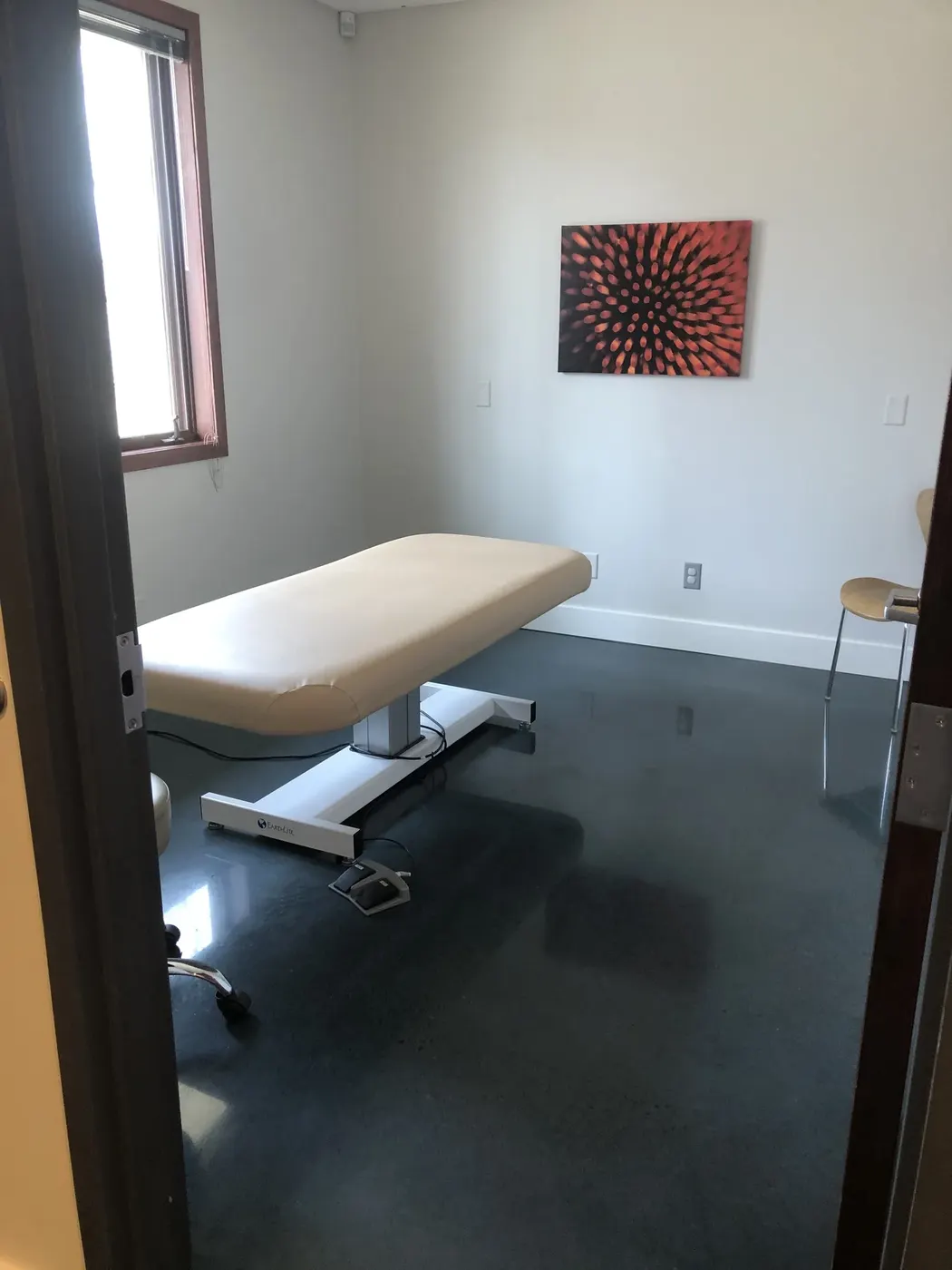
Your Master Evaluation looks at your neck, upper back, shoulders and jaw, along with the habits and positions that bring on your headaches. With the F.A.S.T Approach™ (Facilitation, Activation, Systematic Therapy), we gently and precisely restore motion to the joints of the neck and upper back. As the joints move, the protective muscle tension releases, and the pain that was referring into your head can ease. Mechanical pain can be relieved in as few as 3 visits.
From there we build endurance in the muscles that hold your head up, adjust the positions you spend the most time in and give you a short home routine. Dry needling can help reset tight bands in the neck and shoulders, and massage therapy with Jessica Lantz, CMT, is available at our Vadnais Heights clinic. If anything in your history points to a cause that needs a physician, we will tell you.
Many people are surprised to find that the source of their headaches sits lower in the neck or upper back than they expected. Treating that region often changes how often headaches come on and how strong they are.
We review your headache pattern, then test neck, upper back, shoulder and jaw motion and screen for signs that need a physician. You leave understanding where your headaches are coming from.
Gentle facilitation restores normal motion in the neck and upper back so the muscle guarding releases. We show you movements to keep that range between visits.
We strengthen the deep neck and shoulder muscles and tune your work setup, so long days at the desk stop ending in a headache.
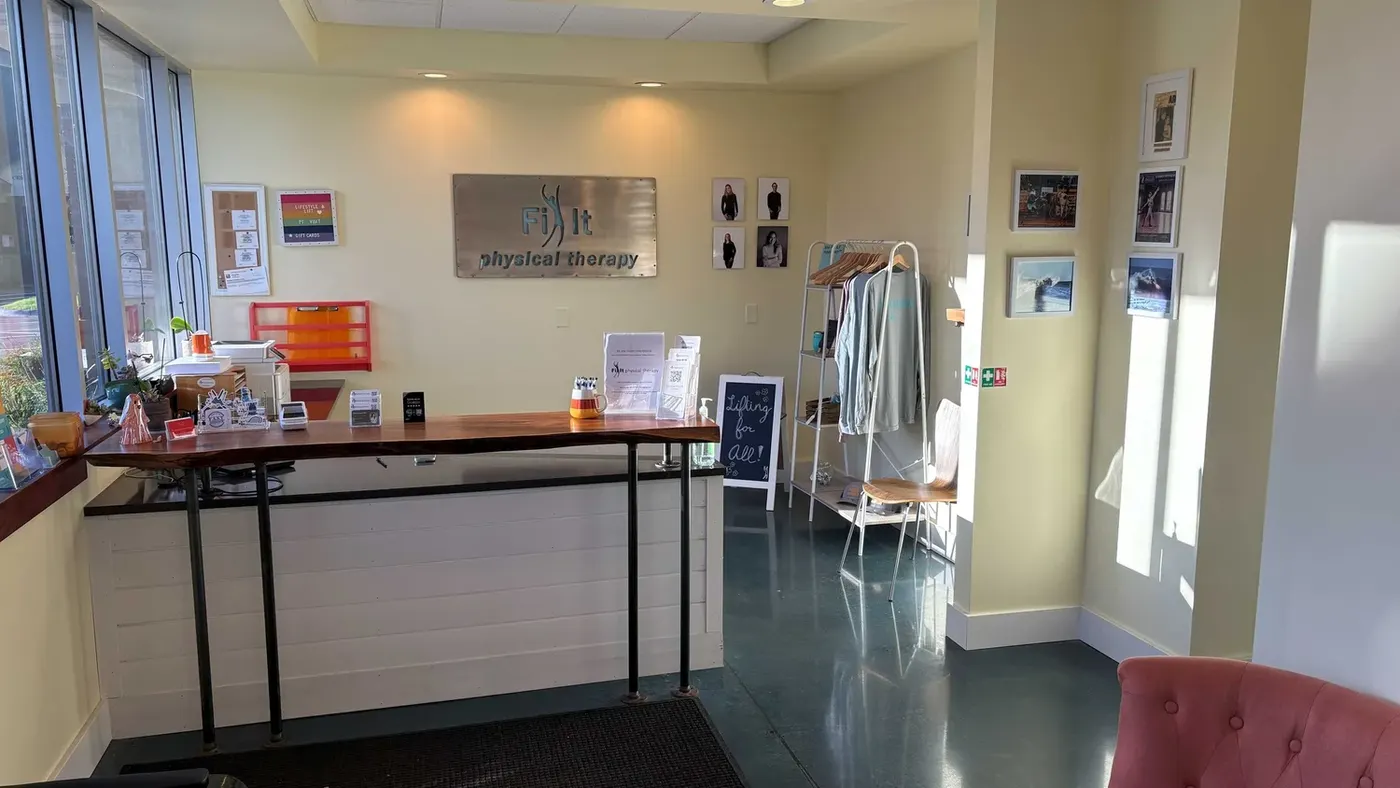
My experience at Fix It PT is always excellent. They do a great job in identifying the areas of my body that are causing the pain and stress of my everyday tasks and she addresses those areas immediately during our appointment. They also provides insight and knowledge into the root causes of the pain I am experiencing and provides helpful tips in how to avoid aggravation of these sensitive pain areas of my neck, back and leg. Thank you!

Free up stiff spinal joints and calm the spasm behind neck and low back pain, then build a stronger trunk.

Restore smooth jaw motion and relax the muscles behind clicking, aching and locking.

Fibromyalgia, RA and long-term pain: treat the mechanical pain on top and build capacity gently.